
Injection Mold Basics: Understanding Manufacturer Options in China
When diving into injection mold basics, I'm thrilled to share insights that can transform your production process. As a seasoned professional, I've worked with various manufacturers in China who excel in creating high-quality molds tailored to diverse industries. Understanding the fundamentals of injection molding helps streamline costs and enhance product quality. I've seen firsthand how choosing the right Chinese manufacturer can significantly impact your project's success—from precision design to efficient production timelines. The collaboration with skilled experts ensures that your molds are not only durable but also optimized for your specific needs. If you’re aiming to elevate your production capabilities, grasping the key principles of injection molding is essential. Let’s connect and explore how leveraging China’s manufacturing strengths can drive your business objectives forward with reliability and innovation.


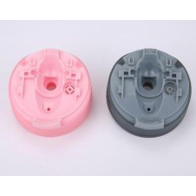
Injection Mold Basics Your End-to-End Solution More Than a Supplier - A Partner
Injection molding is a critical manufacturing process that transforms resin materials into precise, complex parts essential for various industries, from automotive to electronics. Understanding the fundamentals of injection molding not only aids in product design but also in selecting the right partner for your manufacturing needs. A true partner goes beyond being just a supplier; they offer comprehensive support throughout the entire product lifecycle. When you choose an injection molding partner, consider their ability to offer end-to-end solutions including design assistance, prototyping, production, and post-production services. A collaborative approach ensures that your specifications are met, timelines are respected, and final products exceed quality standards. Explore the benefits of working with a partner that values communication and innovation, as they play a pivotal role in streamlining processes and minimizing costs, ultimately driving your project’s success. By leveraging advanced technology and expertise, a dedicated injection molding partner provides tailored solutions that meet your unique requirements. This partnership fosters a streamlined production workflow that can adapt to your changing needs, whether it's scaling up for larger production runs or adjusting designs based on market feedback. In the competitive world of global sourcing, having a reliable partner can make the difference between success and setbacks, ensuring your products reach the market efficiently and effectively.
Injection Mold Basics: Your End-to-End Solution More Than a Supplier - A Partner
| Dimension | Description | Importance | Considerations |
|---|---|---|---|
| Material Selection | Choosing the right material for mold and parts. | High | Cost, durability, chemical resistance. |
| Design Complexity | Complexity of the mold design impacting production. | Medium | Ease of manufacturing and assembly. |
| Cycle Time | Time taken to produce each part. | High | Impact on overall production efficiency. |
| Maintenance | Regular maintenance to ensure mold longevity. | High | Downtime and operational costs. |
| Quality Control | Measures to ensure product meets specifications. | High | Testing, inspection, process validation. |
Related Products
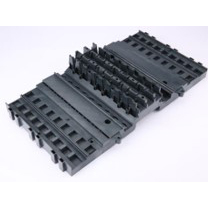

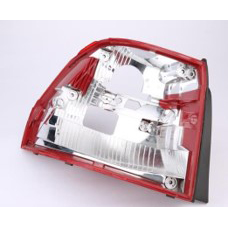


Injection Mold Basics Products Custom Solutions,
Top Selling Products
- Related Blog
- Reviews

-

Phone
-

E-mail
-

Whatsapp
-

Top