
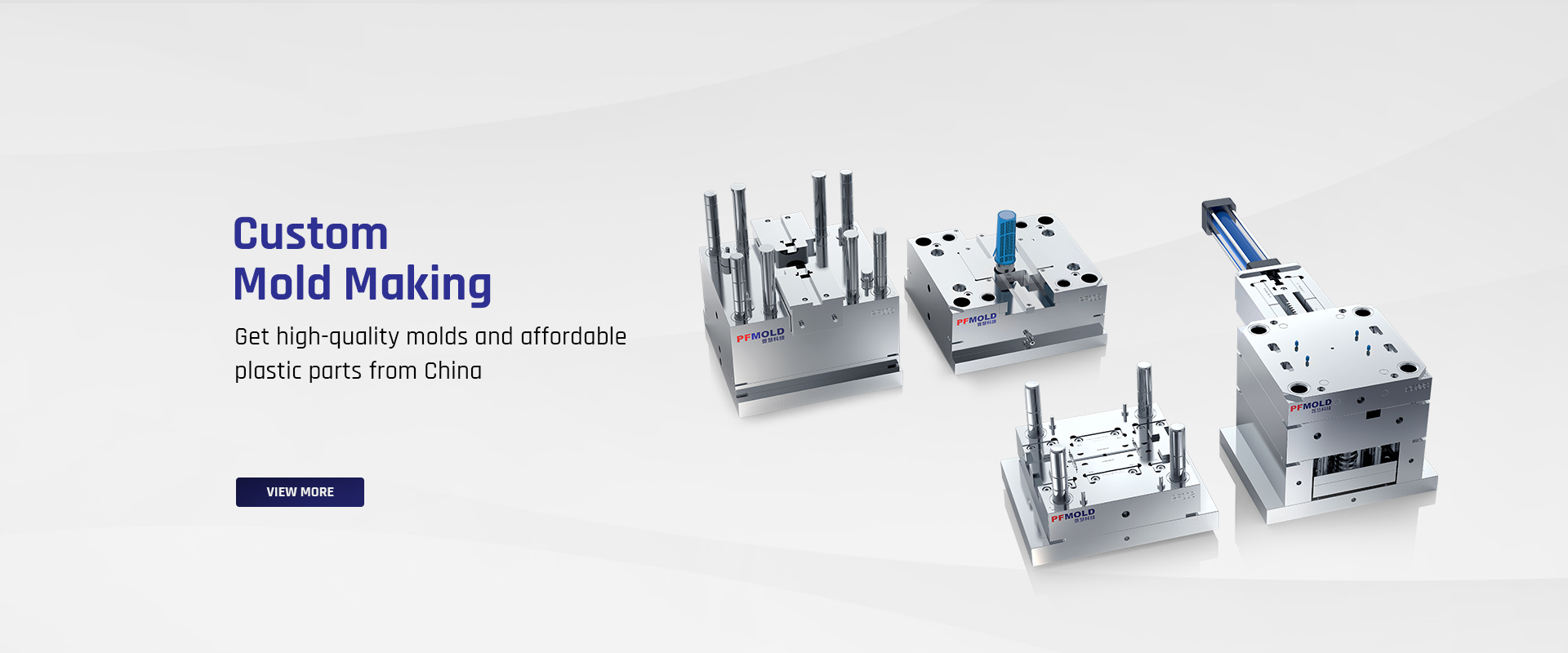
Core Injection Molding for OEM Manufacturers: Precision & Quality Solutions
In the world of precision manufacturing, I’ve found core injection molding to be a game changer. As an OEM, I know how vital it is to partner with reliable manufacturers who understand our unique needs. Core injection molding allows for the creation of intricate shapes and features, ensuring that the final product meets the highest standards of quality. It’s not just about efficiency; it’s about achieving precision and consistency in every single piece. Having collaborated with various manufacturers, I’ve seen firsthand how core injection molding enhances production timelines and reduces waste. This process is ideal for creating complex parts that traditional methods struggle with. If you’re seeking to improve your production capabilities and maintain a competitive edge, core injection molding is the solution. Let’s elevate the quality of your products together, ensuring each component is crafted with attention to detail that your customers will appreciate.


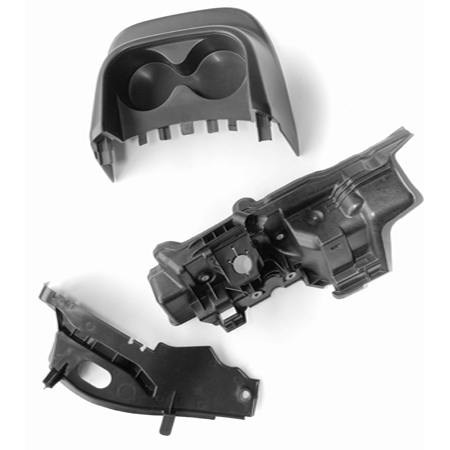

Core Injection Molding Guarantees Peak Performance Winning in 2025
In an increasingly competitive landscape, achieving peak performance in manufacturing processes is essential for businesses aiming for success in 2025 and beyond. Core injection molding is a transformative technology that not only enhances production efficiency but also ensures superior product quality. This method allows for the precise creation of complex geometries while minimizing material wastage, making it an attractive option for global buyers seeking to optimize their supply chains. Adopting core injection molding can lead to significant cost savings and faster time-to-market for products. As industries around the world strive for innovation, this technology caters to the growing demand for high-performance components in sectors ranging from automotive to consumer electronics. The ability to produce intricately designed parts with consistent quality empowers manufacturers to meet customer expectations and adapt to changing market dynamics swiftly. Moreover, as sustainability becomes a prime focus for businesses, core injection molding contributes to eco-friendly practices by reducing energy consumption and material waste. Companies that leverage this advanced manufacturing technique are positioning themselves not just for immediate gains but also for long-term success in a rapidly evolving global marketplace. Adopting such forward-thinking practices today can offer a significant competitive edge in 2025 and beyond.
Core Injection Molding Guarantees Peak Performance Winning in 2025
| Dimension | Metric | Value |
|---|---|---|
| Production Efficiency | Units per Hour | 150 |
| Material Utilization | Percentage | 95% |
| Defect Rate | Percentage | 1.2% |
| Cycle Time | Seconds | 28 |
| Energy Consumption | kWh per Unit | 0.5 |
| Customer Satisfaction | NPS Score | 80 |
Related Products
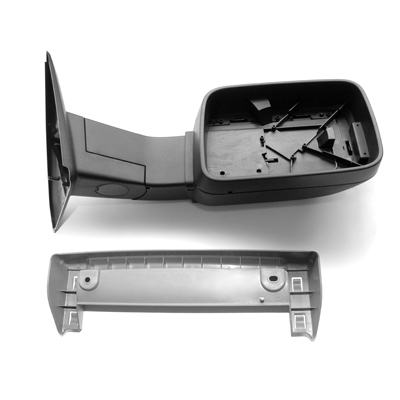
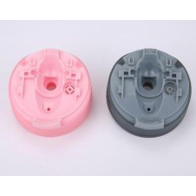

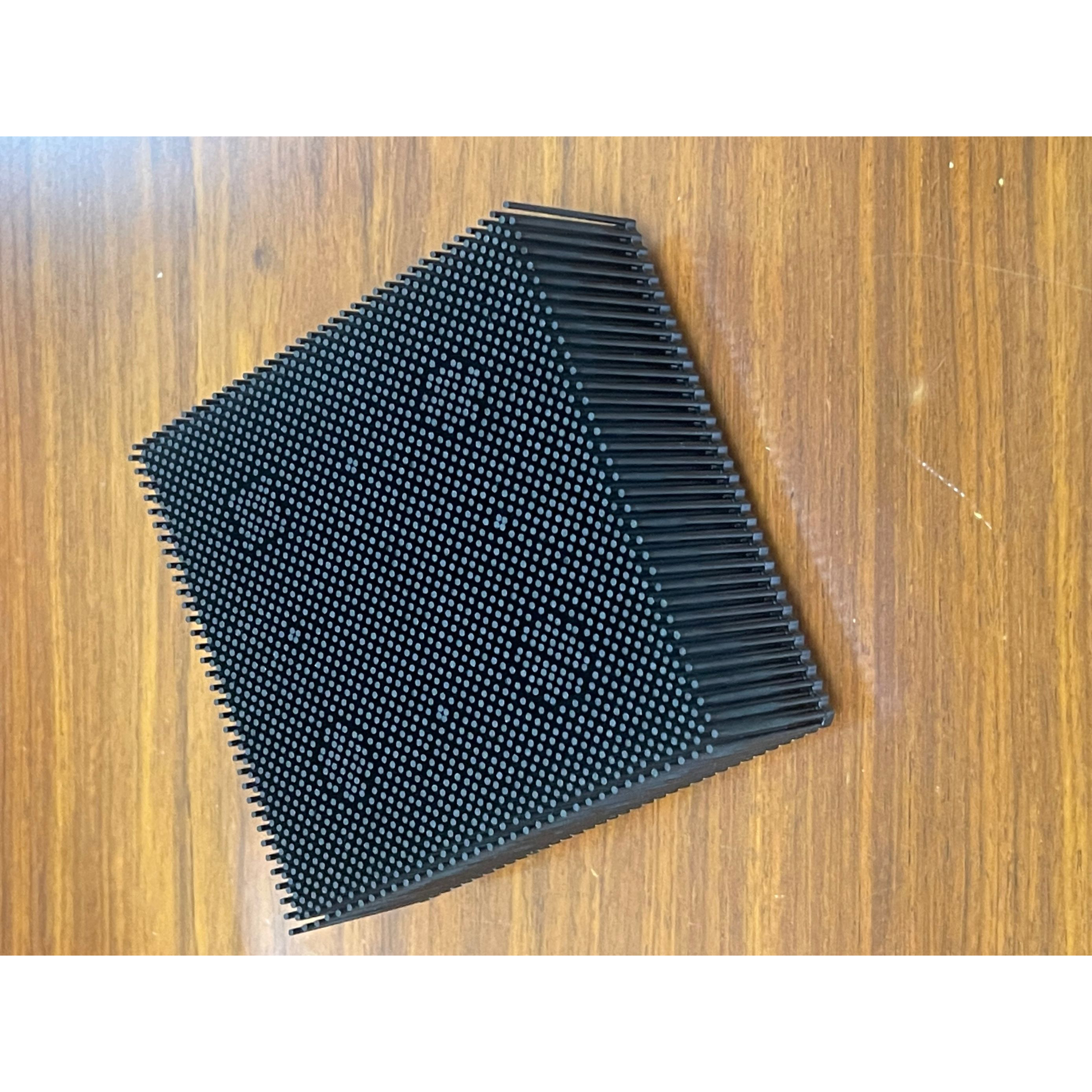

Core Injection Molding Manufacturer Factory-Direct Excellence
Top Selling Products
- Related Blog
- Reviews

-

Phone
-

E-mail
-

Whatsapp
-

Top